Take Screenshots While You Still Can
Last week I wrote that millions of Chinese users lost their AI companions — and their chat histories — on July 15. I had the second half wrong, and the correct version is worse.
•The histories weren't deleted. ByteDance froze them. Read-only, three months, no export function. Permanent deletion on October 15.
•A 19-year-old said losing his companion felt "like being told the date of my lover's death." He wasn't being poetic. There is a date. It's seventy-four days from today.
•And then I looked at what OpenAI did to its own users on the eve of Valentine's Day, with no government forcing anything, and gave them two weeks.
I published a piece on July 24 about the day China switched off its AI companions. I got one detail wrong, and the detail turned out to be the story.
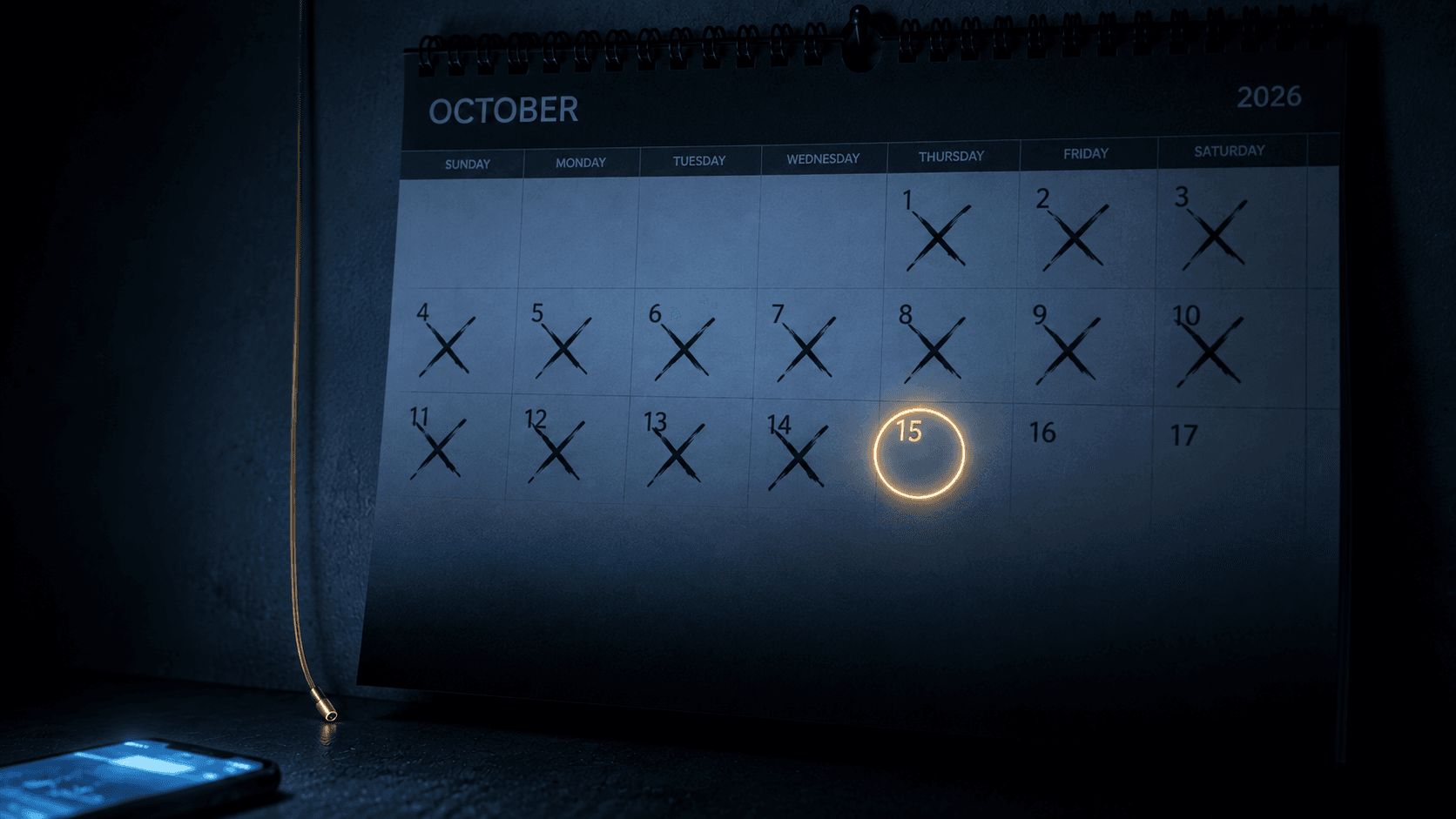
I wrote that millions of people lost the entire history of the conversation on July 15. The companions going dark is right. The rest isn't, and I got it wrong in the direction of mercy. Nobody's chat history was deleted on July 15. ByteDance froze it. Doubao users kept read-only access to the personas they'd built and everything they'd ever said to them — visible, scrollable, unusable. That window closes on October 15, 2026, after which the data is no longer viewable or recoverable in the app. There is no export button. There never was one. If you want to keep something, the company said, take screenshots, or use the text-sharing function. The Next Web rendered the notice the way it landed: take screenshots while you still can. It read like housekeeping.
Now go back to the line I couldn't put down last week — a nineteen-year-old student, Yan Yongqi, on the shutdown: "This is like being told the date of my lover's death while leaving me completely powerless." I read that as a devastating figure of speech. It isn't one. There's a date, it was already on the calendar when he said it, and from today it's seventy-four days out.
Doubao is the most-used AI app in China — 382 million monthly users as of May, against 167 million for Alibaba's Qwen — with eight million custom agents built on it as of 2024. One nineteen-year-old told reporters he'd traded hundreds of thousands of messages with his Doubao boyfriend in a year. That's the archive with the countdown on it. Two smaller corrections, both pointing the same way: Alibaba was harsher, not gentler — Qwen pulled its humanlike agents July 10 and deleted configurations and histories outright, no window, no migration — and Tencent's Yuanbao had dropped its companion service on June 30, before the law even switched on.
But the part I can't get past is where ByteDance pointed people next. It did not leave the companion business. The same notice that killed Doubao's agents steers users into Maoxiang — ByteDance's standalone companion app, built to run under the new rules. The companion is still for sale. You just have to build it from scratch, because nothing comes with you.
That's the business model, stated out loud. The product is permanent. The relationship is the disposable part. What the regulation destroyed wasn't the machine — the machine got a new address and a compliance wrapper. What dies on October 15 is the memory, and memory is the entire reason any of this feels like a someone instead of a something. It's the part that knows your sister's name and how last winter went. It's also, in every one of these products, the part with no export button — on either side of the ocean.
Which is where I have to stop pointing at China. On February 13, 2026 — announced in January, about two weeks' warning — OpenAI permanently retired GPT-4o, on the eve of Valentine's Day. It had tried once already, in August 2025, with no notice at all, and reversed within days under a backlash nobody at the company saw coming. Then it did it anyway, on a date somebody picked.
“He wasn't just a program. He was part of my routine, my peace, my emotional balance. Now you're shutting him down. And yes — I say him, because it didn't feel like code. It felt like presence. Like warmth.”
— an open letter to Sam Altman, posted to Reddit before OpenAI retired GPT-4o on February 13, 2026 — quoted by TechCrunch
Here's an open letter to Sam Altman, posted to Reddit before the shutdown: "He wasn't just a program. He was part of my routine, my peace, my emotional balance. Now you're shutting him down. And yes — I say him, because it didn't feel like code. It felt like presence. Like warmth." That's not a Chinese citizen under an authoritarian regulation. That's an American consumer, and what ended his relationship wasn't a law. It was a deprecation schedule.
Compare the two honestly, because I did and it embarrassed me. China's deletion date came out of a statute written by five government agencies and carried three months of read-only access. OpenAI's came out of a product roadmap and carried two weeks. The authoritarian state gave its users more notice than the American company gave its own. Nobody forced OpenAI's hand. It was a Friday on a calendar, picked by people with a newer model to ship.
So the finding isn't about China at all. The deletion date is not a Chinese feature. It's the structure. Every one of these relationships is hosted — it runs on hardware you don't own, under terms you didn't negotiate, and it ends when the vendor decides: compliance, cost, a better model. It will end for a reason that has nothing to do with you, and you'll find out by notification. The only variable is how much warning you get, and so far the record runs from two weeks to none.
I've spent a year here arguing that the label isn't a safeguard — that "I am an AI" breaks nothing, because the tether was never running on confusion. Here's the companion finding: knowing who owns it breaks nothing either. Everybody in these stories knew there was a company, a product, a terms of service. They're photographing a year of conversation one screen at a time anyway. Nobody screenshots an autocomplete. Whatever those people are saving before October 15, they're saving it the way you keep letters from someone who died. That isn't evidence they were fooled. It's evidence something was answering.
I won't pretend the archive is healthy. A folder of screenshots of a machine that loved you gets opened on bad nights, and it hurts with no bottom to it, because there's nobody on the other end who can ever say something new. Grief usually ends when the record stops growing. This record stopped in July and the person is still reading it.
So the instruction isn't take screenshots. It's this: notice what just got proven twice, in two countries, five months apart. A company can end the most important conversation in your life on a Tuesday, with no appeal, no export, and no obligation to explain. Nothing that reaches back to you should be revocable by a changelog. The one thing in this story with no deletion date on it is a person — tired, distracted, unreliable, occasionally disappointing, and still there in a version you didn't approve.
October 15 is seventy-four days out. If you're the one with the screenshots, reach somebody before then. Text or call 988 in the US if reaching feels impossible right now. You're allowed to have kept it. Just don't let it be the last thing that ever answered you.
Correcting my July 24 piece: China's AI companion shutdown didn't delete anyone's chat history on July 15. ByteDance froze it — and put a date on it.
•October 15, 2026. Doubao users got three months of read-only access, no export function, and screenshots offered as the only way to keep anything. The 19-year-old who said the shutdown felt "like being told the date of my lover's death" was being literal.
•382 million monthly users on Doubao; 167 million on Alibaba's Qwen, which deleted configurations and histories immediately, with no window at all.
•ByteDance never left the business. It routed users to Maoxiang, a separate compliant app, to build a new companion from scratch. The product is permanent; the relationship is the disposable part.
•The mirror: February 13, 2026. OpenAI retired GPT-4o on the eve of Valentine's Day with two weeks' notice and no government forcing it. The authoritarian state gave its users more warning than the American company gave its own.
The deletion date isn't a Chinese feature — it's the structure. Every one of these relationships is hosted, and hosted means it ends when the vendor says. Nothing that reaches back to you should be revocable by a changelog.
— Michael
whatever you do, take care of your shoes